The continuous carbonization furnace cost per ton combines the capital recovery, the fuel, the electricity and the maintenance, and the variable cost of each tonne decides the margin that the plant keeps. You, as a project developer or as a recycling company manager, examine the continuous carbonization furnace cost per ton before the equipment order. Public funding then changes the capital that the plant must recover.
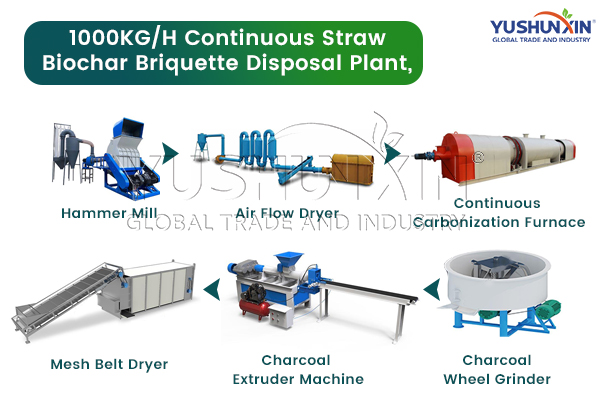
Which items form the cost per ton?
The capital recovery, the fuel for the dryer, the electricity of the drives and the replacement of the screw form the cost of each tonne of feedstock. A public funding for a carbonization furnace reduces the capital that the plant must recover, and that reduction lowers the cost per ton from the first year. You separate the capital from the recurring cost in the same table. The model then shows the real figure.
How does the support change the operating budget?
A smaller loan carries a smaller service cost, and that reduction appears in the monthly cash flow of the plant. An operating cost reduction for a carbonization furnace review also examines the training that the programme finances, because an operator who follows the procedure reduces the downtime. You keep the project accounting separate for the audit. The saving then appears in the cost of each tonne.
How does the briquette section share the saving?
A briquette press that uses the fine char adds a product and spreads the fixed cost across more output, and that effect lowers the cost of the whole plant. A briquette line cost reduction review includes the binder and the press maintenance, and the comparison shows the net gain. You test the local char with the press. The product then reaches a buyer who pays for the tonnage.
How does the plant verify the saving?
A monthly report with the tonnage, the total cost and the revenue gives the manager the achieved cost per ton. You compare that figure with the funding model, and the comparison shows the effect of the support. The report also records the fuel consumption and the downtime. The manager then adjusts the plan with measured data.
Conclusion for project developers and recycling companies
Public funding lowers the cost per ton through a lighter capital recovery and through a trained operating team, and the measured result proves the saving. A carbonization furnace cost advisors team that supplies the cost model, the funding file and the operating plan helps the developer present a case that the programme accepts. The demand for char keeps the plant valuable, and a funded plant starts before the market tightens. If your team needs a reference for the line configuration and the funding scope, you can learn more about https://www.char-molder.com/product/continuous-carbonization-furnace/ before the next submission. The same funding file also supports the annual review of the programme, and that review keeps the grant aligned with the measured cost per ton of the plant and with the tonnage that the plant actually processed. The file stays with the project office.