A biomass power generation plant system design that includes a carbonization section produces electricity, heat and char, and that third product creates value (economics) that survives the fluctuations of the power tariff. You, as a project investor or as a recycling company manager, examine the biomass power generation plant system design against the long-term value that each output delivers. The plant that sells three products earns a more stable return than a plant that sells one.
Which products create the long-term value?
The electricity carries a contracted price, the heat replaces purchased fuel and the char reaches the soil amendment or briquette market. A long-term material value of a biomass power plant review prices each output over ten years, because the power tariff may fall while the char price rises. You test a low tariff scenario, and that scenario shows the value that the material product adds. The investment case then rests on three lines instead of one.
How does the design protect the value?
A flexible feeding system accepts several residues, and that flexibility protects the plant when one supplier disappears from the market. A material value creation in a biomass project also depends on the gas cleaning capacity, because a tighter emission limit over time can force a retrofit. You reserve space for the additional cleaning unit, and that reservation costs little at the start. The design then keeps the plant compliant for longer.
How does the briquette line add value?
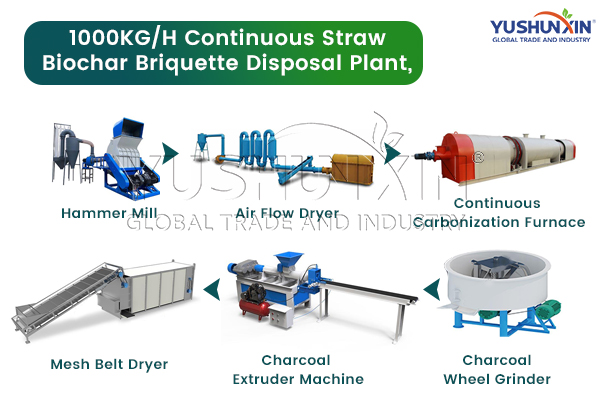
A briquette press turns the fine char into a denser product for the household or the industrial market, and that product carries a higher price per tonne. A briquette value from a biomass power plant stage appears in the second phase of the investment, and that phase follows the proven performance of the first. You test the binder with the local char, because the same recipe behaves differently with a different residue. The product then meets the specification of the chosen buyer.
How does the investor monitor the value?
A quarterly report with the revenue per output, the operating cost and the availability of each unit gives the investor a clear picture. You compare the report with the approved model, and the comparison shows the output that underperforms. The investor then directs the next improvement to that line. The value of the investment stays visible through the year.
Conclusion for project investors and recycling companies
A biomass power plant creates long-term material value when the design includes the carbonization section, the flexible feedstock and the cleaning capacity that the future requires. A biomass value advisors team that supplies the product model, the design review and the phasing plan helps the investor protect the return. The demand for char and for electricity keeps both markets open. If your team needs a reference for the plant configuration and the value scope, you can learn more about https://www.char-molder.com/product/continuous-carbonization-furnace/ before the next investment review. The same quarterly report also supports the next financing round, and that document shows the lender that the material value already appears in the cash flow of the plant.