The continuous carbonization furnace compliance requirements translate the emission target of the site into a limit for the stack, the dust collector and the burner, and the furnace design must satisfy all three. You, as a plant environmental engineer or as a project developer, examine the continuous carbonization furnace compliance requirements against the permit of the host site. The greenhouse gas emissions of the avoided fuel then support the wider climate case of the plant.
Which emission sources does the furnace create?
The start-up burner, the reactor off-gas and the cooling section form the three sources that the permit lists, and each of them requires a defined control. An on-site emission targets with continuous carbonization technology review also examines the fugitive dust of the feedstock yard, because that source appears in the inspection report. You measure the flow and the temperature of each stream, and those values size the treatment device. The site target then becomes a limit for each stack.
How does the design control them?
A sealed reactor with a controlled gas route returns the combustible gas to the burner and prevents the release that an open vessel produces. The compliance requirements for a carbonization furnace also place a cyclone and a scrubber before the stack, and that order defines the pressure drop of the circuit. You verify the seal of the feeding screw, because air entering the reactor oxidises the char and raises the emission. The furnace then holds a stable pressure inside its design window.
How does the site integrate the target?
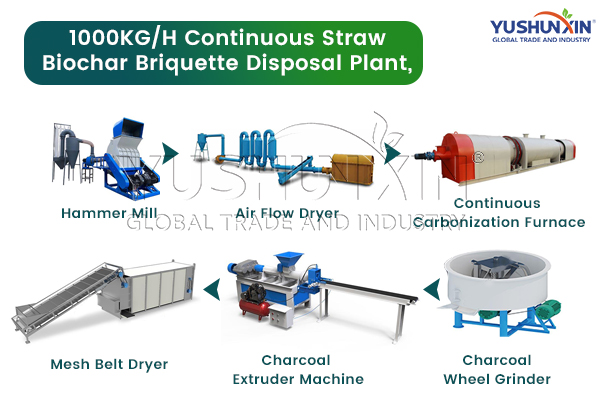
The host industrial site usually carries a total emission allowance that covers several processes, and the new line must fit inside the remaining share. A briquette line emission targets review includes the press and the dryer of that section, because a fuel-fired dryer adds its own source. You allocate the allowance among the units before the permit application, and that allocation prevents a late conflict. The site then presents one plan to the authority.
How does the plant document the result?
A monitoring plan with the sampling points, the frequency and the record format answers the questions of the inspector. You keep the operating log and the laboratory results in one file, because the auditor reconstructs the year from those two sources. The plant that reports the emission per tonne of char demonstrates an improvement rather than a single reading. The authority then renews the permit with evidence.
Conclusion for plant environmental engineers and developers
Continuous carbonization supports an on-site emission target when the sealed reactor, the gas cleaning and the monitoring plan work as one system. A carbonization furnace compliance advisors team that supplies the source list, the treatment layout and the monitoring plan helps the plant meet its permit without a retrofit. The pressure on industrial emissions keeps tightening, and a compliant line protects its licence and its market. If your team needs a reference for the line configuration and the compliance scope, you can learn more about https://www.char-molder.com/product/continuous-carbonization-furnace/ before the next permit review.