A carbon credit solution reaches full capacity when feedstock preparation, carbonization, cooling, product handling and measurement follow one controlled production sequence. The carbon credit solution process steps begin with a verified biomass supply and a process design that records the mass and energy balance. carbon credit value depends on durable carbon storage, credible additionality and a monitoring method that an independent body accepts. The plant must also operate at a stable rate, because intermittent output weakens both product supply and the evidence required for credit issuance. A complete process plan connects the continuous carbonization furnace and auxiliary equipment with the records that support every claim.
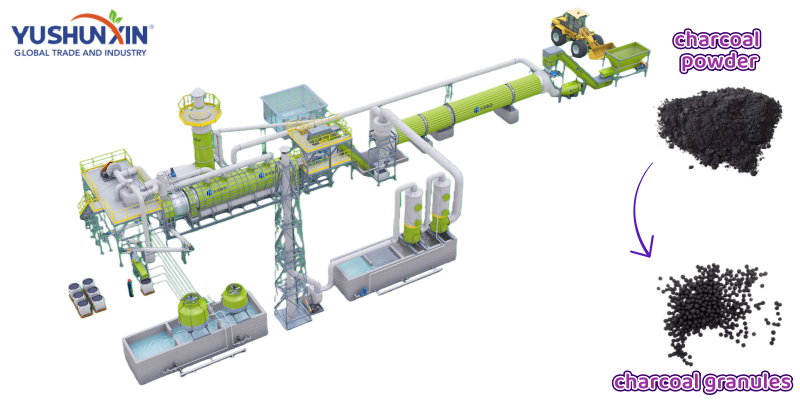
Which feedstock and drying steps support a full-capacity carbon credit solution process?
The plant defines the biomass type, moisture, particle size and ash range before it selects the dryer and feeder. A full capacity carbon removal production process keeps the feedstock dry enough for stable carbonization and records the mass entering the process. The drying equipment must match the furnace throughput without overheating or creating dust. Storage separates wet and dry material and protects the supply from rain. The team also checks contamination, because plastic or soil changes the carbon balance and may affect the final biochar. A controlled feed gives the operator a repeatable basis for yield, product quality and carbon accounting. Without that control, the plant cannot prove the full capacity or the consistency required by buyers and verifiers.
Which furnace and gas-system conditions turn biomass into a reliable carbon removal product?
The continuous carbonization furnace needs stable temperature zones, controlled residence time and continuous discharge. A biochar carbon credit plant process design connects feed rate with syngas flow, pressure and cooling load so one disturbance does not stop the whole line. The gas treatment system removes dust and condensable material before the plant uses recovered gas for heat or another approved purpose. The operator records temperature, pressure, throughput and energy use at fixed intervals. Those records show that the process operates inside its design range and produces a consistent char. A reliable gas system also reduces flaring and protects the carbonization equipment from blocked or unstable flow.
How does post-processing prepare biochar for carbon credit and commercial requirements?
The discharged char needs controlled cooling, screening and moisture adjustment before storage. A plant that also produces briquettes can use the charcoal briquette production line route, but each additional process changes the mass balance and the evidence needed for the credit project. Product sampling measures carbon content, stability, moisture and contaminants. The storage area keeps batches identifiable so the supplier can trace a delivery back to the production period. The team records every input and output in a format that supports verification and customer specifications. Clear separation between carbon removal product, by-products and waste protects the integrity of the project and helps the plant maintain full production capacity.
Which operating and monitoring records support recurring carbon credit issuance?
The monitoring plan defines meters, sampling frequency, calculation methods and responsibility for each data point. Operators record biomass mass, moisture, carbon yield, energy use, product output and downtime. The plant also keeps maintenance and calibration records for the instruments that support those measurements. Independent reviewers need a chain from source biomass to stored carbon, including transport and temporary storage. A monthly reconciliation checks the production data against sales and inventory, because a gap can delay credit issuance. The operating team reviews deviations and corrects the process before the next reporting period. This discipline turns the continuous carbonization production line into a documented source of measurable carbon removal.
Conclusion for biochar project developers and carbon credit buyers
A carbon credit solution needs more than a furnace; it needs stable feedstock, controlled carbonization, traceable post-processing and auditable production records. The plant should prove full capacity under a defined biomass range and maintain that performance across normal operating cycles. A carbonization and carbon credit engineers that coordinates the process design and monitoring plan helps the developer prepare for verification. Product storage, sampling and gas handling belong in the original capital scope. The continuous carbonization reference appears at https://www.char-molder.com/product/continuous-carbonization-furnace/ for the next project review.