Overview: Why Sawdust Charcoal Is in Demand
A sawdust charcoal making machine can be profitable because it converts a low-cost byproduct—sawdust—into higher-value charcoal used for barbecue fuel, shisha/hookah briquettes, industrial heating, and even certain filtration and soil applications (when produced as biochar). Profitability depends less on “can the machine make charcoal?” and more on whether you can secure consistent feedstock, maintain quality, and sell into a stable market. In regions with active woodworking, furniture factories, or lumber mills, sawdust is often abundant and inexpensive, which improves margins immediately.
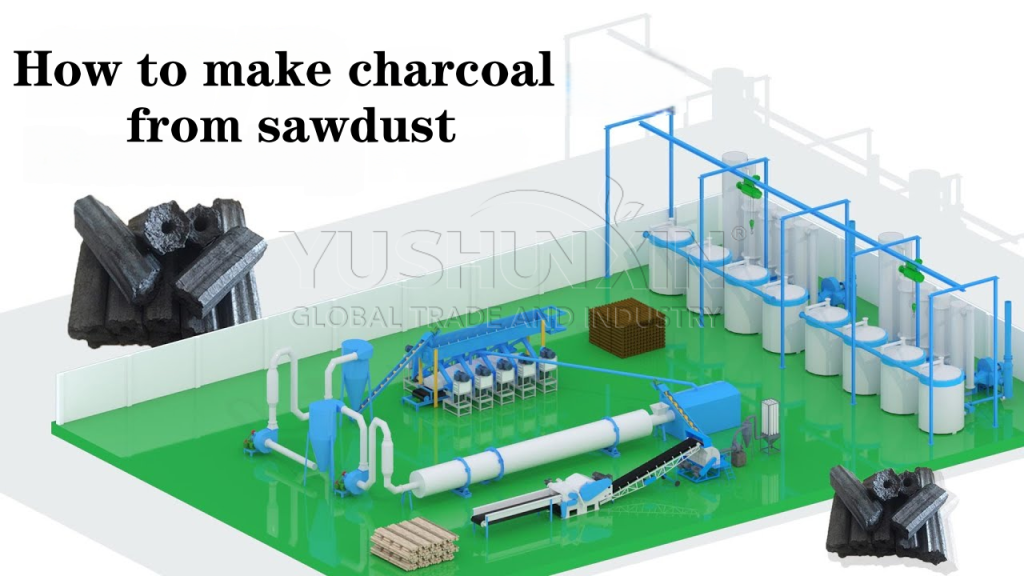
Key Cost Components (CAPEX + OPEX)
Upfront costs (CAPEX) typically include the carbonization unit, dryer (if needed), briquetting line (optional but common for sawdust charcoal), dust collection, conveyors, and installation. You should also budget for site preparation, electrical work, and permitting. Operating costs (OPEX) usually include labor, electricity, packaging, wear parts, and maintenance. Moisture is a major hidden cost: if sawdust arrives wet, you may need a drying system, which increases energy use and can reduce throughput. Another important factor is emissions control—proper afterburners or scrubbers raise cost but reduce regulatory risk and improve long-term operability.
Revenue Streams and What You’re Actually Selling
Your main revenue is from charcoal itself, sold as bulk charcoal or as briquettes (often higher margin due to uniform shape and branding potential). Some operations also monetize byproducts such as wood vinegar (pyroligneous acid) or recover heat from the process to dry incoming sawdust, improving overall efficiency. In many markets, packaging and branding can materially change selling price: a bagged consumer product may earn far more per ton than bulk wholesale, though it requires stronger quality control and distribution.
Simple ROI Logic (How to Estimate Payback)
A basic ROI estimate starts with monthly net profit:
Net profit = (charcoal selling price × monthly output) − (feedstock + labor + power + maintenance + packaging + overhead).
Payback period is then: Payback = total project cost ÷ monthly net profit.
For example, if your full project cost is $80,000 and your net profit averages $8,000 per month, payback is roughly 10 months. However, if moisture forces slower production or your selling price drops in the off-season, that payback can extend significantly. Conservative assumptions (lower selling price, higher downtime, higher drying cost) produce a more realistic ROI.
What Makes the Project Profitable (or Not)
The strongest profitability drivers are: cheap and consistent sawdust supply, reliable drying and stable carbonization, and a secured sales channel (wholesalers, restaurants, shisha distributors, or export buyers). The biggest risks are inconsistent feedstock moisture, poor-quality charcoal (high ash, low fixed carbon), equipment downtime, and weak market access. In practice, profitability improves when you start with confirmed buyers, test product samples early, and design the line to handle your real feedstock—not an ideal one. Visiting: https://www.ysxcharpro.com/product/sawdust-charcoal-machine-line/
Leave a Reply