Overview: Why Charcoal Briquettes Are a Popular Startup
A charcoal briquette business can be an appealing startup because demand comes from households, restaurants, barbeque vendors, and sometimes industrial users. Briquettes are also easier to package and transport than loose charcoal, and they can be produced from readily available biomass waste such as sawdust, rice husks, coconut shells, or charcoal fines. However, profitability depends heavily on choosing the right production method, securing consistent raw materials, and budgeting correctly for machines, power, and drying.
Core Machines That Shape Your Startup Cost
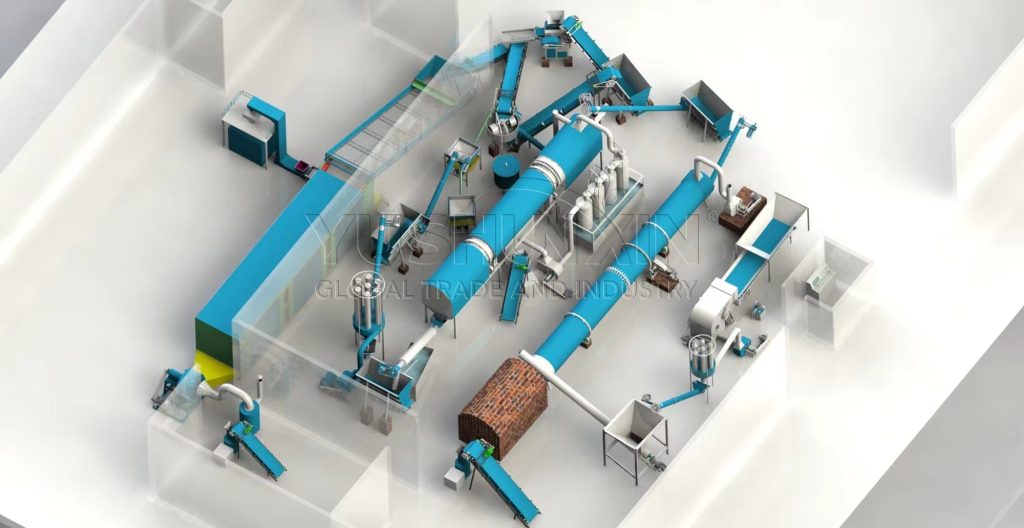
Your biggest expense is usually the charcoal briquetting machine. For small operations, a manual or semi-automatic press may be enough, while higher-volume startups typically choose a screw extruder or hydraulic briquette press. If you plan to carbonize raw biomass (rather than using charcoal fines), you’ll also need a carbonization kiln—either a simple drum kiln or a larger continuous kiln system. Many producers also require a crusher or hammer mill to reduce particle size, plus a mixer to blend charcoal powder with binder (often starch) and water. A dryer is another major cost driver: sun-drying is low-cost but slow and weather-dependent, while a mechanical dryer improves consistency and throughput.
Essential Supporting Equipment (Often Underestimated)
Beyond the main machines, you’ll need basic handling and processing tools: sieves or screens for uniform size, weighing scales, storage bins, wheelbarrows or conveyors, and packaging equipment such as a sealing machine or small bagging scale. Power infrastructure matters too—wiring, panels, and possibly a generator if electricity is unreliable. Safety and compliance equipment should also be budgeted: fire extinguishers, ventilation or dust extraction, gloves, masks, and a first-aid kit. These items look small individually but add up quickly.
Budget Breakdown: What to Plan For
A realistic budget includes four main categories: (1) equipment purchase, (2) site setup, (3) operating capital, and (4) licensing and contingencies. Site setup may include rent, a simple shed, concrete flooring, water access, and drying racks. Operating capital covers raw materials, binder, packaging bags, wages, transport, and utility bills for at least 1–3 months. A contingency fund is critical because spare parts (screws, dies, bearings) and repairs can appear early if feedstock is abrasive or moisture control is poor.
Practical Tips to Control Startup Costs
To reduce costs, start with one production line sized to your guaranteed demand, then scale. Choose locally serviceable machines to avoid long downtime waiting for imported parts. If your climate allows, begin with sun-drying and upgrade to a dryer once sales stabilize. Finally, test your raw material mix before buying large equipment—briquette strength, burn time, and smoke levels determine whether customers reorder, and consistent quality is what ultimately protects your budget and profits. Visiting: https://www.char-molder.com/product/charcoal-briquette-machine-price/
Leave a Reply