When researching charcoal briquette machines, the initial “factory price” you see advertised is just the entry ticket. It represents the cost of the core press itself, but the total investment required to start producing profitable, high-quality briquettes is significantly more. Understanding this complete cost breakdown is crucial to avoid budget shortfalls and ensure a viable operation. The true price encompasses the machine, its essential supporting systems, and the ongoing costs of running it.
The Core Machine: A Range of Capability and Cost
The advertised factory price varies dramatically based on capacity, automation, and pressure. A small, manual or single-phase electric press for hobbyist or very small-scale production may start as low as $1,000 to $3,000. Moving into commercial territory, a mid-range screw press or piston press with a capacity of 500-1,000 kg per hour—the workhorse for many small businesses—typically ranges from $8,000 to $25,000. Large-scale, fully automated production lines with integrated cooling and packaging can easily surpass $50,000 to $100,000. Higher pressure generally means higher cost but also produces denser, more premium briquettes.
The Hidden Essentials: Ancillary Equipment
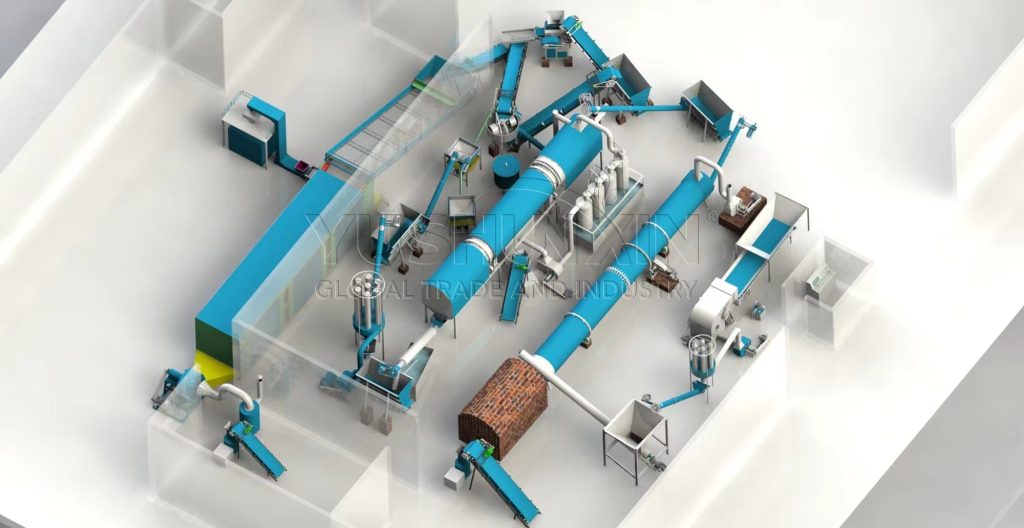
The briquette machine is useless on its own. You are not just buying a press; you are building a production line. Material Preparation is often the most overlooked and costly area. This includes a crusher to pulverize raw biomass, a hammer mill for fine grinding, and a dryer (often a rotary dryer) to achieve the critical 8-12% moisture content. A mixer might also be needed to blend materials. Conveyors for moving material between stations are another vital addition. This ancillary equipment can often double or triple the core machine’s price.
Operational Costs: The Price of Production
Your investment continues beyond the purchase order. Power Consumption is a major factor; larger machines with high-pressure motors and heating elements (for screw presses) are energy-intensive. Labor costs depend on automation; a fully manual line requires several workers, while an automated line needs skilled technicians. Tooling and Maintenance are ongoing: molding sleeves, rollers, and screws are wear parts that require regular replacement. Factor in the cost and logistics of your raw material supply (sawdust, charcoal fines, etc.) and briquette packaging.
The Intangible Investment: Knowledge and Support
Finally, the cheapest machine can become the most expensive if it lacks reliable technical support or clear documentation. Consider the value of proper installation guidance, operator training, and the availability of spare parts. A reputable supplier who offers after-sales service may have a higher initial price but saves considerable cost and downtime in the long run.
Conclusion: Calculating True Total Cost
Therefore, when evaluating a “factory price,” always develop a Total Project Cost. This should include: Core Briquette Machine + Essential Ancillary Equipment (Crusher, Dryer, Grinder) + Installation & Shipping + Initial Spare Parts Kit + Estimated First-Year Operational Costs. Request detailed quotations that itemize all these elements. By planning for the full financial picture, you ensure your investment powers a profitable and sustainable business, not just an unexpected expenses. Visiting: https://www.char-molder.com/product/charcoal-briquette-machine-price/
Leave a Reply