Coconut shell charcoal briquettes are positioned well for 2026 because buyers increasingly want cleaner-burning, consistent fuel for grilling, shisha/hookah, and some industrial heating applications. Coconut shells are a renewable waste stream in many tropical regions, and briquettes made from them typically have high fixed carbon, low ash, and long burn time—features that command better prices than mixed-wood charcoal. Profitability comes from controlling raw material costs, producing uniform quality, and securing repeat export or wholesale contracts. If you want to know more about coconut shell charcoal briquette making machine, please contact us.
Secure a Reliable Supply of Coconut Shells
Start by mapping where shells are generated: coconut processors, oil mills, desiccated coconut factories, street vendors, and markets. Your goal is a steady, year-round flow with minimal contamination (sand, stones, fiber). Negotiate long-term supply agreements and set standards for moisture and cleanliness. Storage matters: wet shells reduce carbonization efficiency and increase smoke, so plan covered storage and a simple drying area to stabilize moisture before processing.
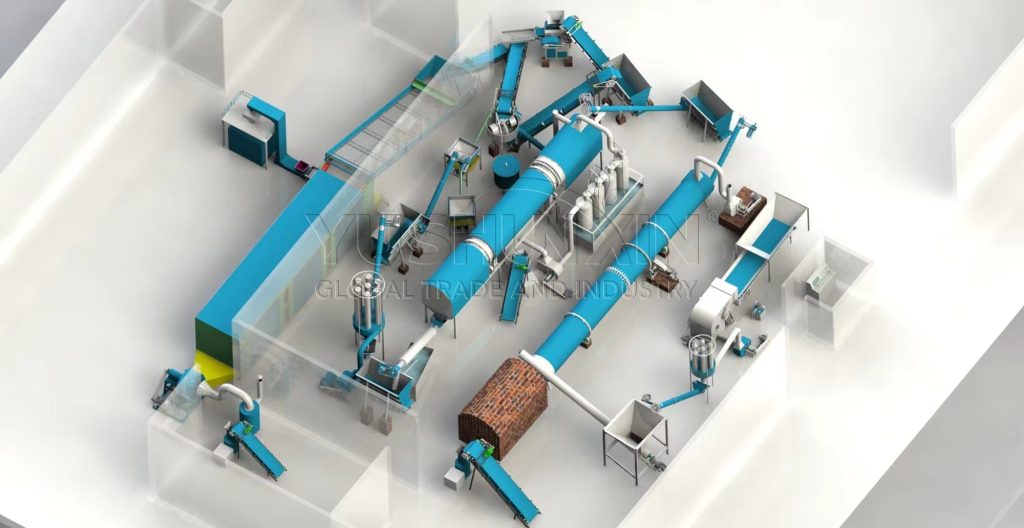
Set Up the Right Production Line and Workflow
A profitable operation usually follows a clear line: drying → carbonization → crushing → mixing → briquetting → drying/curing → packaging. For carbonization, choose between traditional kilns (low cost, lower control) and improved kilns/retorts (higher cost, better yield and cleaner emissions). Next, crush and sieve the charcoal to a consistent particle size; uniform feedstock is essential for strong, dense briquettes. Mixing typically uses a binder such as tapioca starch; controlling binder ratio affects strength, ash content, and smoke. Briquetting can be done with a screw extruder (common for hexagonal/shisha shapes) or a roller/press system for pillow shapes. Finally, use an efficient dryer (solar tunnel, rack dryer, or mechanical dryer) to bring moisture down to a marketable level and prevent mold during shipping.
Quality Standards That Win Buyers
In 2026, buyers will keep tightening specs. Track fixed carbon, ash percentage, moisture, volatile matter, and burn time. Consistency matters as much as peak performance—one weak batch can lose a distributor. Implement basic QC: weigh briquettes, test drop strength, measure moisture, and run small burn tests per batch. Good packaging (inner plastic + strong cartons) protects product integrity and helps you build a brand rather than selling only as a commodity.
Pricing, Markets, and Sales Strategy
Decide early whether you will target local retail, restaurants, or export. Export can be more profitable but requires stable volumes, documentation, and shipping discipline. Build relationships with wholesalers, BBQ brands, and shisha suppliers, and be ready to provide samples, lab results, and consistent sizing. Your margins improve when you sell packaged, branded briquettes instead of bulk.
Costs, Compliance, and Scaling Profitably
Key costs include shells, labor, binder, fuel/electricity for drying, packaging, and logistics. Emissions and smoke control may require permits; investing in cleaner kilns can reduce community complaints and shutdown risk. Start with a capacity you can sell confidently, then scale by adding kilns, improving drying speed, and automating packaging. With dependable supply, tight quality control, and committed buyers, coconut shell charcoal briquettes can be a strong, scalable business in 2026. Visiting: https://www.char-molder.com/product/how-to-make-coconut-charcoal-briquettes/
Leave a Reply