Launching a sawdust charcoal production line is an excellent entry point into the biofuel and sustainable agriculture sectors, offering a practical way to convert abundant wood waste into valuable, clean-burning fuel. For entrepreneurs with limited capital, the key is a phased approach that prioritizes essential, cost-effective machinery and leverages local resources. By focusing on core technology and smart sourcing, you can establish a profitable operation without a prohibitive upfront investment.
Focus on Essential, Cost-Effective Equipment
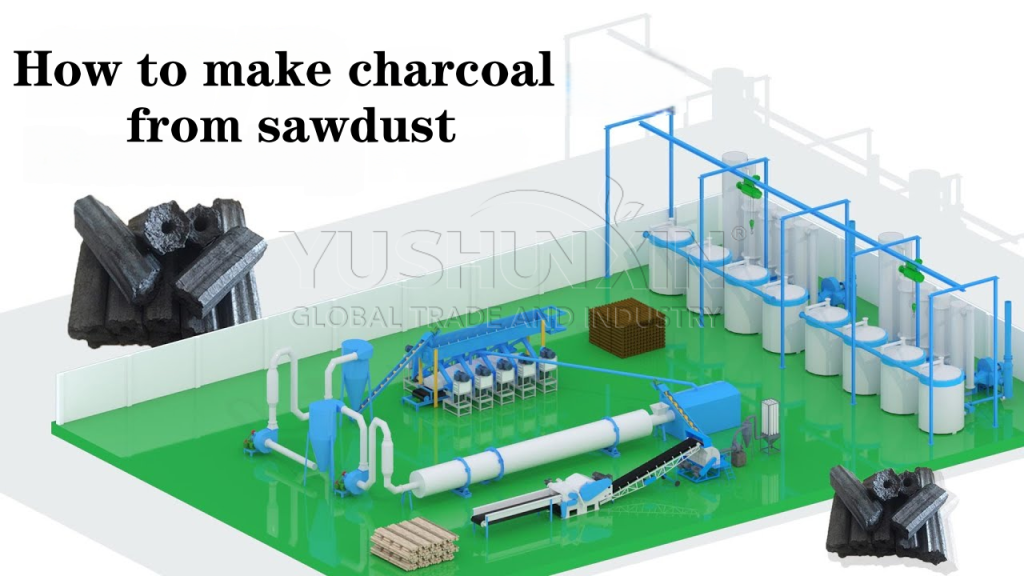
The heart of a low-investment line is a well-chosen carbonization furnace. For beginners, a batch-type vertical carbonization furnace is often the most economical choice. It requires a lower initial outlay compared to large continuous systems and is simpler to operate. The essential equipment list includes: a crusher (if starting with larger wood scraps), a screw conveyor for feeding material, the carbonization furnace itself, a condenser for collecting by-products like wood vinegar, and a charcoal briquette machine if producing shaped briquettes for retail. Sourcing reliable, small-to-medium capacity machines from manufacturers specializing in budget-conscious models can keep your core equipment costs between $15,000 and $30,000.
Smart Sourcing: Raw Materials and Location
Your primary competitive advantage is low-cost or free raw materials. Establish partnerships with local sawmills, furniture workshops, and wood processing plants to secure a consistent supply of sawdust, wood chips, and shavings—often considered waste they pay to dispose of. Locating your production facility near these sources drastically reduces transportation costs. Furthermore, choose a site with simple, affordable infrastructure: reliable electricity for the machinery, good ventilation, and basic weather protection. Avoiding complex industrial park requirements at the start can significantly lower overhead.
Pathway to Profitability and Scaling Up
Sawdust charcoal, especially when pressed into uniform briquettes, commands a strong market price from restaurants (for barbecuing), households (for heating), and agricultural users (as soil amendment). Your direct production costs are primarily raw material transport, electricity, and labor. With efficient operations, gross profit margins can exceed 40%. Initial profits should be reinvested into streamlining the process, such as adding a dryer to handle wet sawdust or a packaging machine. This phased, low-investment model minimizes risk, generates cash flow early, and provides a solid foundation for scaling up to automated, continuous production lines in the future. Visiting: https://www.ysxcharpro.com/product/sawdust-charcoal-machine-line/
Leave a Reply