Investing in a sawdust charcoal briquette making machine is a strategic move for converting waste biomass into profitable fuel. However, the price tag can vary dramatically, from a few thousand dollars to over $100,000. Understanding the factors that drive this final cost is essential to making a purchase that aligns with your budget and production goals, ensuring you get the best value and return on investment.
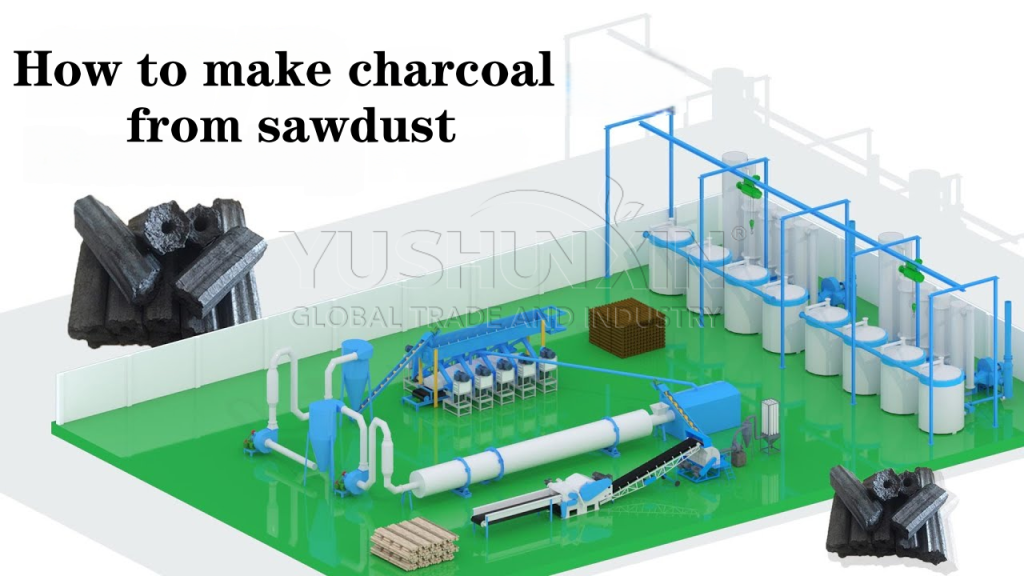
1. Raw Material Preparation: The Often-Overlooked Foundation
The core briquetting press is just one part of the system. The condition of your sawdust directly dictates what auxiliary equipment you need, significantly impacting total cost. If your raw material is coarse, a shredder or crusher is required. If it has high moisture content (above 12%), a drier is non-negotiable for producing quality briquettes. This “pre-processing” stage can sometimes cost as much as the briquetting machine itself but is critical for consistent output and machine longevity.
2. Machine Capacity and Output
Price scales directly with production capacity, measured in kilograms per hour (kg/h). A small, manually-fed machine producing 50-100 kg/h is suitable for a small workshop and carries a lower price. A fully automatic, industrial-scale line with a continuous feeder and conveyor system, outputting 1,000-2,000 kg/h, represents a major capital investment. Your required volume—shaped by your feedstock supply and market demand—is the primary driver of this cost segment.
3. Level of Automation and Control
The degree of automation is a major cost differentiator. Manual or semi-automatic machines require constant operator attention for feeding and removal, keeping purchase costs lower but raising long-term labor expenses. Fully automatic machines with PLC control panels, automated feeders, temperature regulators, and cutters dramatically increase efficiency and consistency. This advanced technology commands a higher price but reduces operational costs and human error.
4. Material, Build Quality, and Press Type
A machine built with high-grade carbon steel or stainless steel for key components will withstand the intense heat and pressure of briquetting far longer than one made with inferior materials. Furthermore, the type of press mechanism—such as screw extruder, hydraulic press, or mechanical stamping press—affects both price and the characteristics of the final briquette. Screw presses, which generate high heat through friction to carbonize biomass, are typically more complex and costly than some hydraulic models.
5. Brand, Support, and Additional Costs
Finally, the manufacturer’s reputation, after-sales service, and warranty add to the cost. A machine from an established brand with comprehensive technical support, readily available spare parts, and on-site installation training is a more reliable, though potentially more expensive, investment. Remember to factor in shipping, import duties (if applicable), and installation costs, which can add a significant percentage to the base price.
In conclusion, the final cost is a reflection of a complete production solution tailored to your specific raw material and business scale. Balancing upfront investment with operational efficiency and machine durability is the key to a profitable briquetting venture. Visiting: https://www.char-molder.com/product/sawdust-briquette-charcoal-making-machine/
Leave a Reply