Understanding the Price Range of Charcoal Briquette Machines
Charcoal briquette machine prices can vary widely, from a few thousand dollars for small manual or semi-automatic units to well over $100,000 for industrial lines with mixers, dryers, conveyors, and automated packaging. The biggest driver of cost is capacity (how many kilograms per hour you can produce), followed by automation level, briquette shape (pillow, hexagonal, shisha/hookah cubes), and the durability of key wear parts such as screws, rollers, and dies. If you are comparing quotes, make sure you are comparing the same scope: some suppliers price only the press, while others include a complete production system.
What You Actually Pay For (Machine + Supporting Equipment)
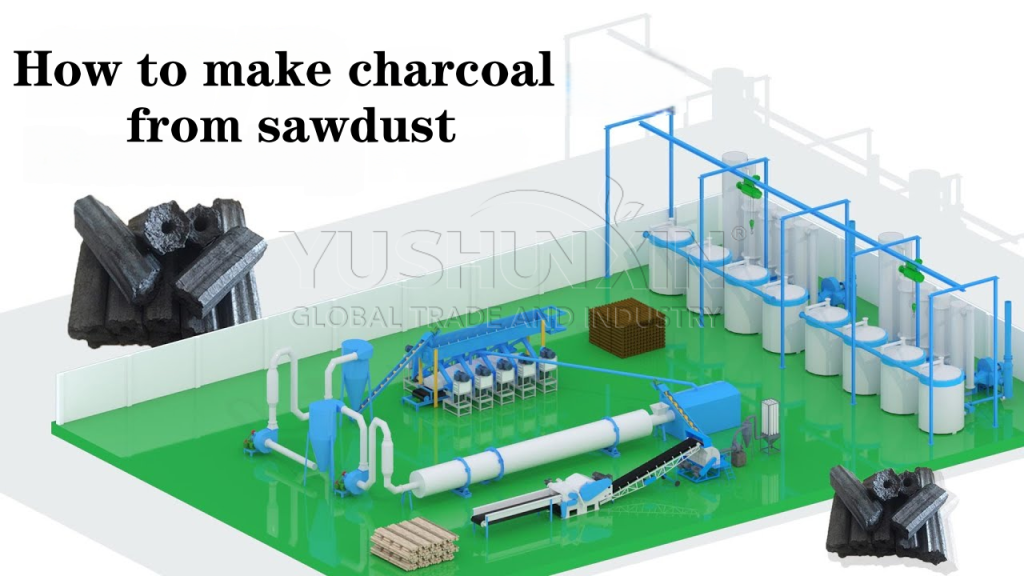
A briquetting press alone may look affordable, but profitable production usually depends on upstream and downstream equipment. Many operations need a crusher or grinder for consistent particle size, a mixer for uniform binder distribution (if you use binder), and often a dryer to hit stable moisture targets so briquettes don’t crack or smoke excessively. On the back end, you may add a cooling line, screening to remove fines, and bagging or shrink-wrapping for retail-ready packs. These add-ons increase the initial investment, but they also reduce waste, improve product quality, and raise the selling price you can realistically achieve.
ROI Basics: The Fastest Way to Estimate Payback
Return on investment usually comes down to a simple relationship: profit per ton × tons sold per month versus your fixed costs and loan/lease payments. Your margin is influenced by raw material cost (charcoal fines, biomass char, sawdust char), binder cost (starch, molasses, etc.), electricity or diesel, labor, and packaging. If you can secure low-cost feedstock and sell into a stable market (BBQ fuel, restaurants, shisha charcoal, or industrial heat users), payback can be surprisingly fast. Many small-to-mid producers target 6–18 months as a reasonable payback window, while high-end automated lines may target 18–36 months, depending on sales volume and local energy prices.
What Makes Profit Faster (or Slower)
Profit accelerates when you have dependable buyers, standardized sizing, and low breakage during handling. Consistent moisture control and strong briquette density matter because they reduce returns and improve reputation. On the other hand, ROI slows down if you underestimate maintenance (die wear, bearing replacement), ignore quality testing, or rely on seasonal demand without contracts. Shipping can also eat margins—briquettes are heavy—so producing near the customer base often improves profitability.
A Practical Rule of Thumb Before You Buy
Before choosing a machine, calculate your realistic monthly sales volume and test a few formulations to confirm burn time, ash content, and strength. The “best” machine price is the one that matches your target market, not the one with the lowest upfront cost—because stable quality and consistent output are what make profit arrive faster. Visiting: https://www.char-molder.com/product/charcoal-briquette-machine-price/
Leave a Reply